 Pajarito Farms
Winemaking
A small winery, built around a real vineyard.
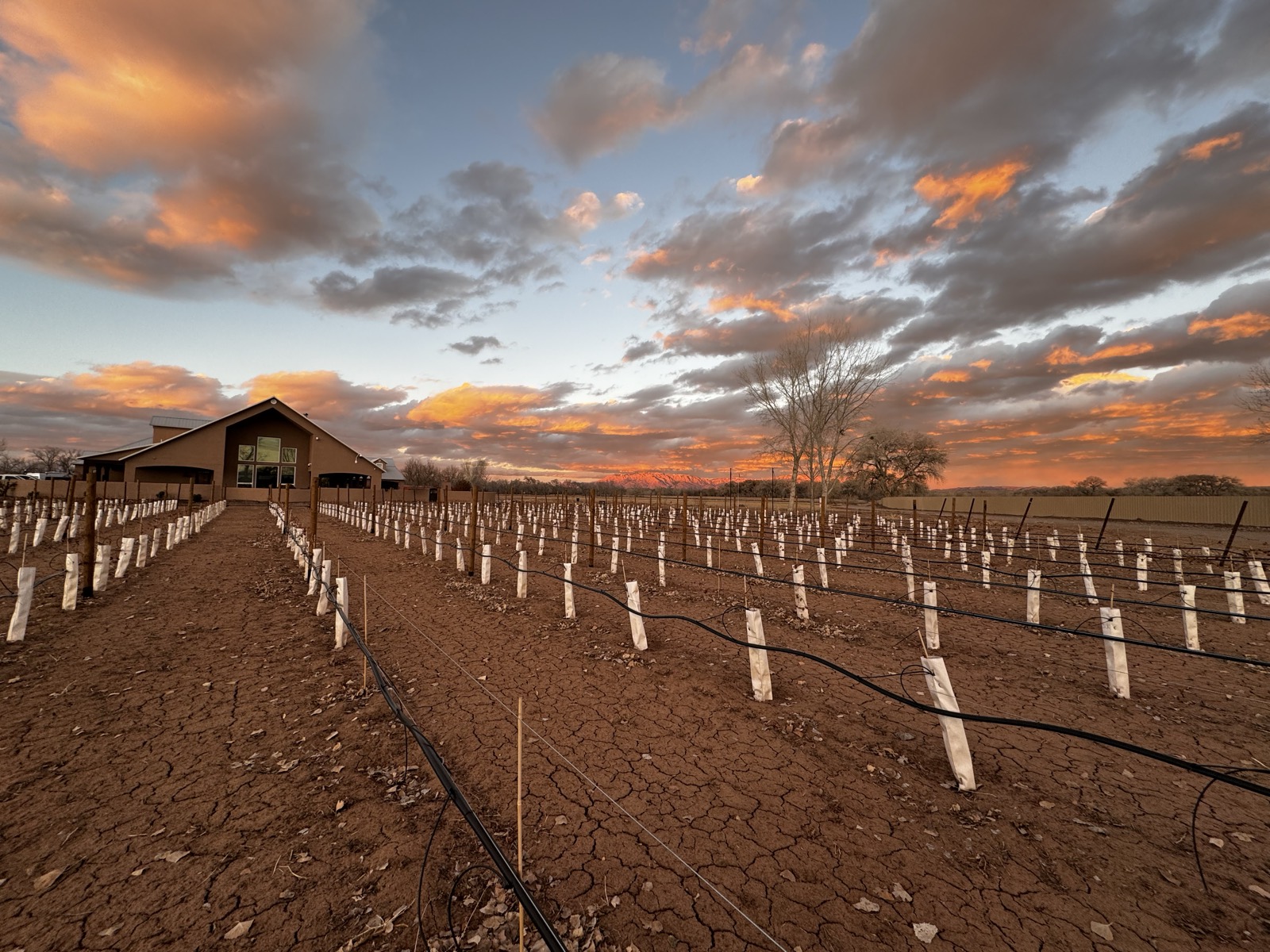
Pajarito Farms is developing a small estate winery around the grapes grown on this property. The approach is practical: get the fruit right, pick it at the right moment, ferment it cleanly in small lots, and pay attention to the results.
There's history behind the practicality: New Mexico is the oldest wine-growing region in the United States — Mission grapes were planted along the Rio Grande by 1629, and wine was being pressed here generations before California's missions existed. Flooding and Prohibition nearly erased that industry; its revival has been underway since the 1970s. Every lot we ferment is part of that continuation.
Fruit first
Wine quality is set in the vineyard months before crush. Most of our winemaking effort is actually farming effort.
Harvest timing
Picking decisions — acid, sugar, flavor, weather — matter more than any cellar trick. We pick at first light, block by block.
Small lots, kept separate
Eight varieties means eight (or more) small fermentations. Keeping lots separate is how we learn what each block actually gives.
Controlled fermentation
Temperature control and clean process — not because it's romantic, but because it's how you find out what the fruit really tastes like.
Iterate honestly
Every lot is an experiment with a result. What worked gets repeated. What didn't gets changed. No mythology required.
Built around the vineyard
The production process is being designed around what this site grows — not the other way around.
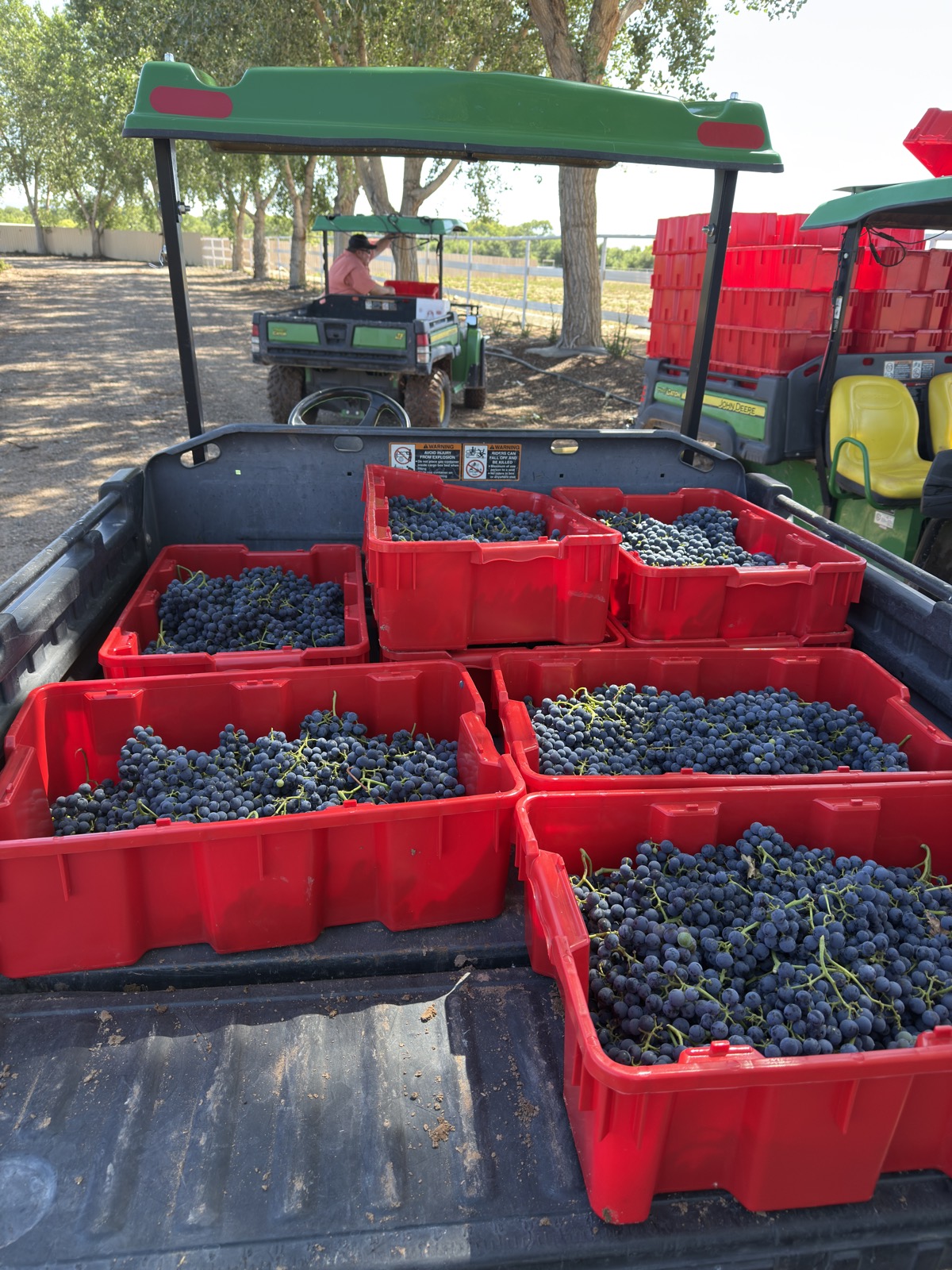
First crush: 2026
This year's harvest fed our very first crush — modern equipment, careful lots, and a lot of note-taking. It's the beginning of the estate program, and everyone who picked with us is part of it.
Read about Harvest 2026 →Status
Wine is coming.
The vineyard is growing into commercial production, and the first lots are on their way through the workshop — the cellar comes later. When there's wine worth releasing, the mailing list hears it first.